ANCIENT THREADSBOOKS · HISTORY · EXPLORATION

ANCIENT TEXTS. A CLOSER READING.

Old stories.
Questions that stay.

Who has the right to rule? What does power do to people? What does it mean to be set free?

Ancient Threads explores these questions through biblical texts, the ancient world, and books that bring the sources into view.

Free chapter previews · Original artwork · Sources you can follow

Read the chapter at your own pace.Understand the passages and context.Explore the sources for yourself.

THE BOOK PROJECTS

Stories worth
reading closely.

A growing collection of books about Scripture, history, and the people caught between faith and power.

A Man Called Out

Abraham, the world he left behind, and the traditions that grew around his story.

In development · Preview to come

The Bridegroom
and the Cup

Covenant, marriage, judgment, and restoration—and the biblical background to the cup in Gethsemane.

Website edition in preparation

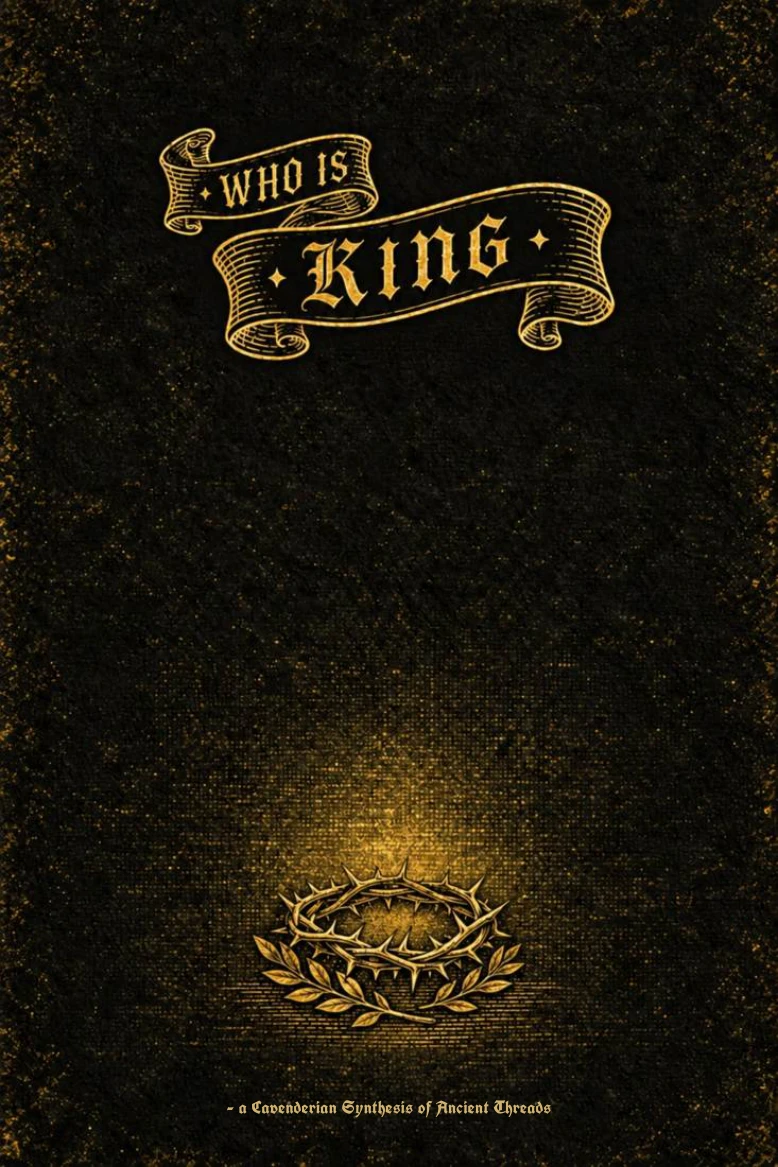
START READING · WHO IS KING

Three ways into the story.

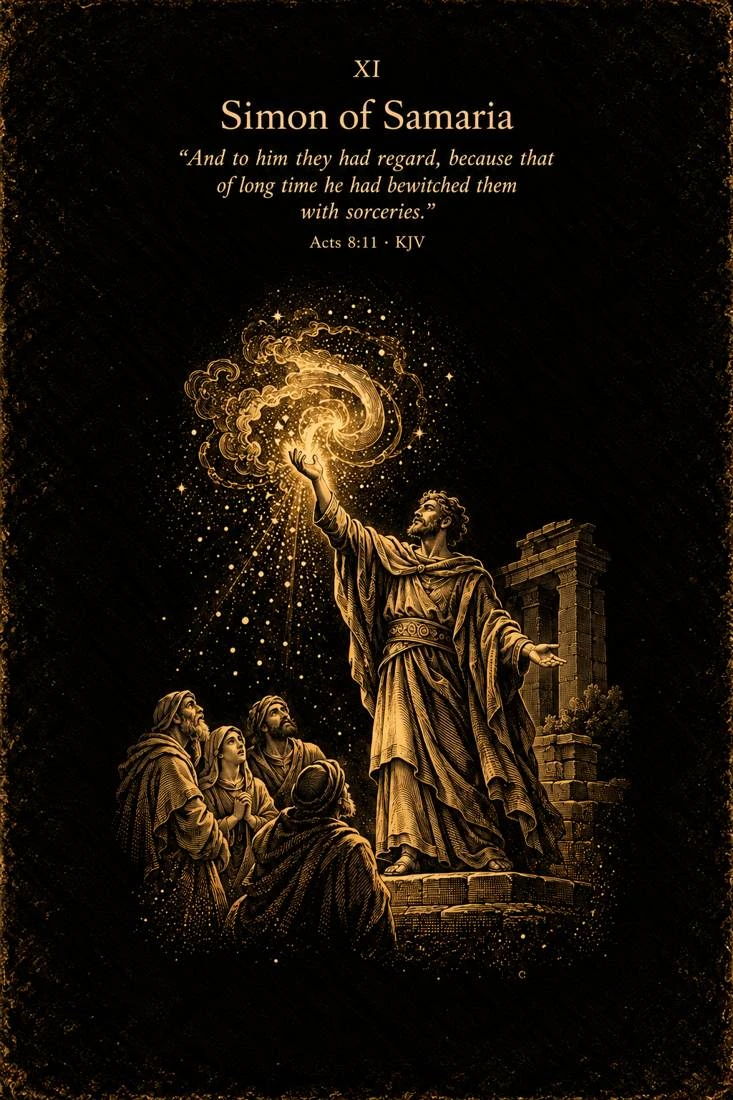
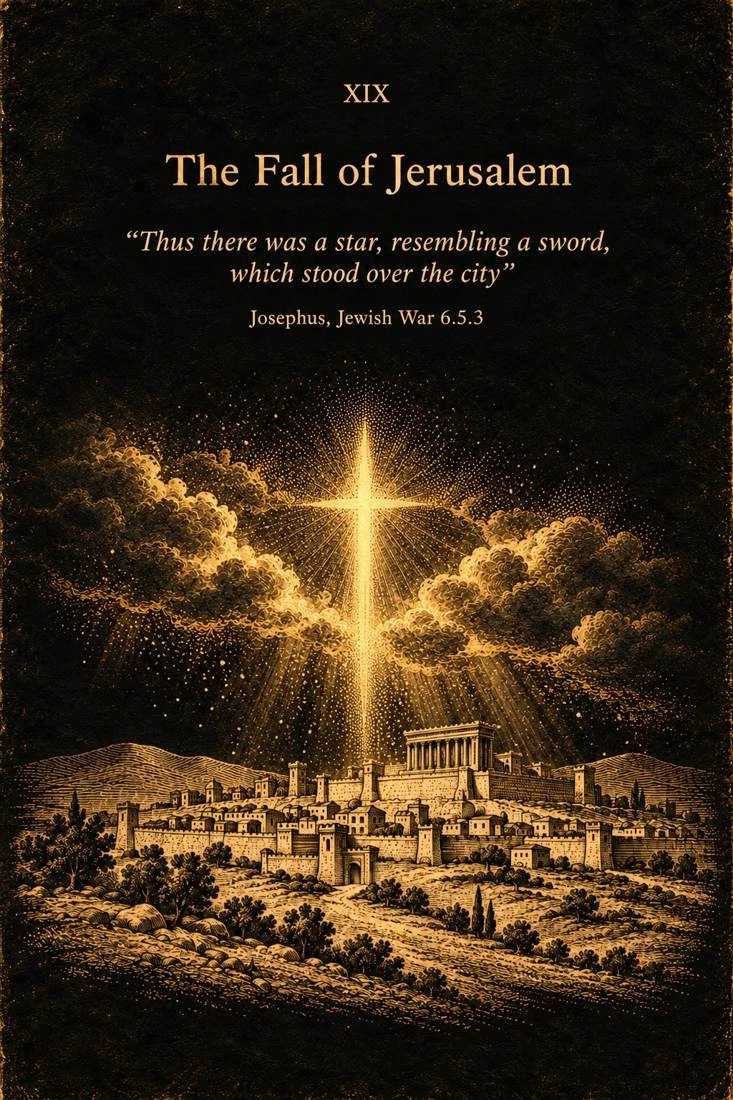
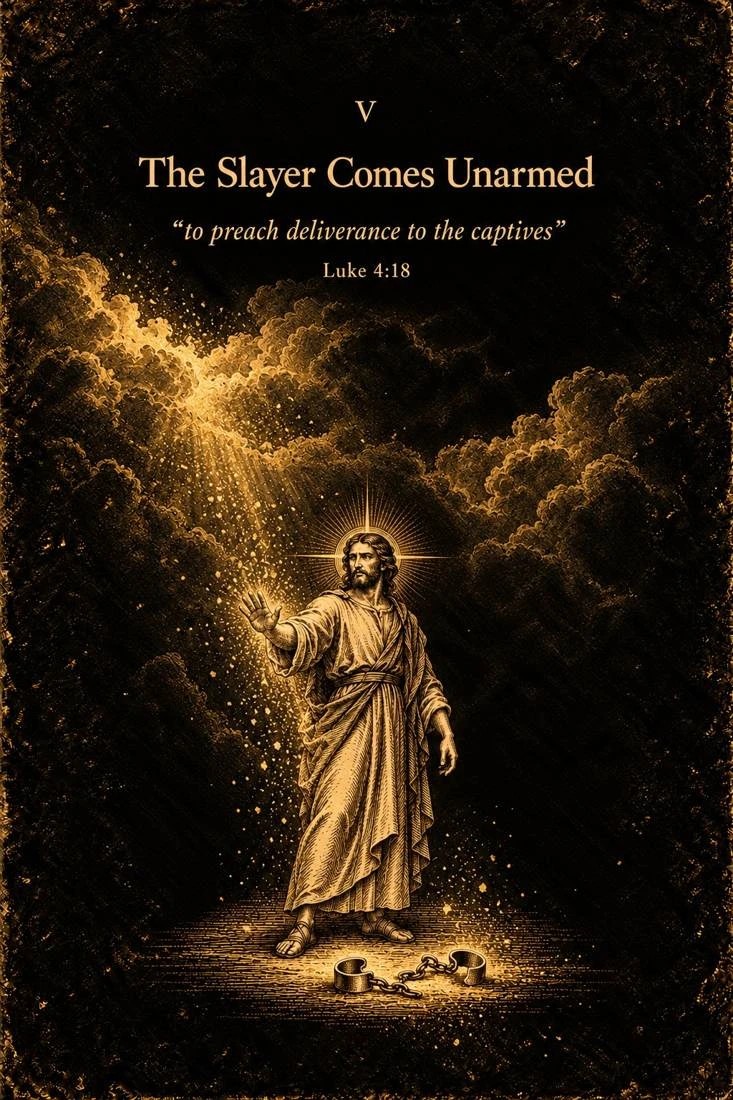
You can begin with any of these chapters. Each includes the complete chapter text, original artwork, a study guide, and a reading list.

Inside each chapter, choose Read chapter for the full text or Passages explained for the study guide. Personal notes stay in your browser.

ABOUT ANCIENT THREADS

A personal search.
An open invitation.

Ancient Threads is a personal home for books, research, and exploration of the ancient world. It begins with a simple habit: read the passage, follow the reference, and ask what the evidence actually supports.

These texts still shape how people understand authority, belonging, responsibility, and hope. Reading them closely can help us recognize the assumptions we bring to them—and give us better questions to ask today.

The aim is to make serious study easier to enter. You should be able to follow the argument, see where it comes from, and disagree with it thoughtfully.

How to use these chapter guides

Begin with the complete chapter or its overview. Open a passage question to see the explanation, then follow its source reference. The review questions include answers; there is no test to pass.

What counts as evidence here?

The guides distinguish what a source states from how the book interprets it. Later retellings are identified as later accounts. Historical comparisons and theological readings are explained as arguments you can examine.

How can I suggest a correction?

Use “Prepare feedback” inside a chapter. Choose the section, describe one specific change, and add a source if you have one. You can download the draft to keep or share. Online submission is not connected yet.

Also taking shape

A place for travel photography and field notes from Greece, Rome, London, and beyond. Those collections will appear as they are prepared.